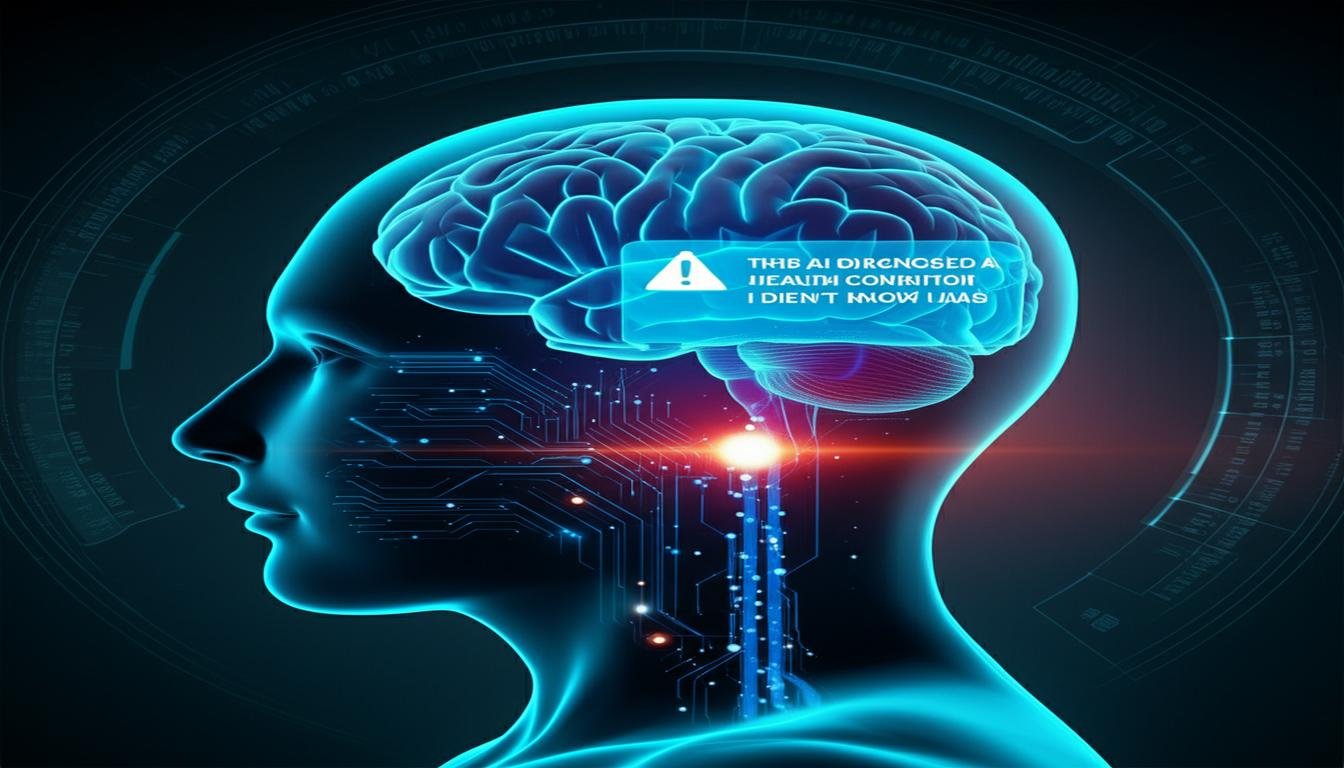
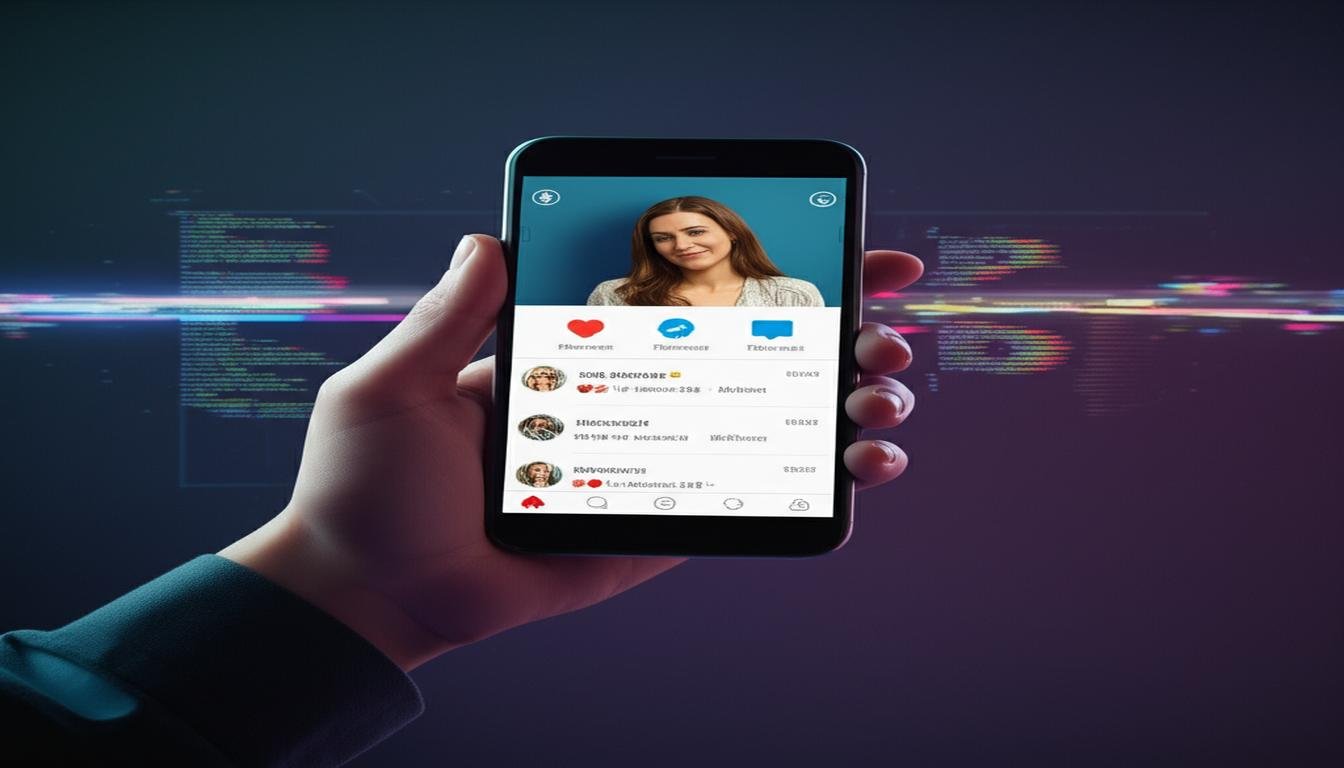
I’ve always considered myself a pretty healthy guy. I eat reasonably well, try to stay active, and get my annual check-ups. So, when a new wellness app I’d downloaded started flagging something unusual, I initially brushed it off. I mean, an app telling me something was off? Who knew it would lead to a genuine diagnosis I was completely unaware of? It sounds like something out of a sci-fi movie, but for me, it became a reality. This wasn’t some magical crystal ball; it was a sophisticated AI, crunching my personal data and seeing patterns that even my doctor, during routine visits, hadn’t detected. And trust me, it was a wake-up call. My Unexpected AI Health Wake-Up Call I had been using a new generation of health tracking app. It wasn’t just counting steps; it integrated data from my smartwatch, sleep monitor, and even a few voluntary blood test results I’d uploaded from a recent physical. For weeks, it mostly confirmed what I already knew: good sleep, decent activity, stable heart rate. Pretty boring, honestly. Then, about a month in, the app sent me a notification. Not a simple “you haven’t hit your step goal,” but a message suggesting “a persistent, subtle deviation in your metabolic markers and sleep architecture that warrants medical review.” My initial thought was, “Uh, okay, robot.” But the notification was persistent, gently nudging me to discuss it with my doctor. Connecting the Dots: What the AI Saw What exactly did this AI see? It wasn’t one glaring symptom. Instead, it had identified a cluster of very subtle indicators: Slightly elevated fasting glucose, even though it was still “within normal range” on paper. A pattern of slightly reduced deep sleep phases that was consistent over several weeks. Minor fluctuations in heart rate variability during rest, not alarming on their own, but trending a certain way. Cross-referencing these with my genetic predisposition data (which I had opted to share), it suggested an increased risk for early-onset type 2 diabetes. Individually, none of these screamed “problem.” But the AI, with its ability to analyze massive datasets and recognize complex patterns, connected them into a meaningful risk profile. It didn’t diagnose me; it flagged a concern and recommended a targeted conversation with my physician. From AI Insight to Medical Confirmation Reluctantly, I brought it up with my doctor. He was initially skeptical, as many are about “app diagnoses,” but he humored me. We ran some more specific tests. Lo and behold, after a comprehensive glucose tolerance test and further sleep studies, my doctor confirmed what the AI had suggested: I was indeed showing very early signs of insulin resistance, a precursor to type 2 diabetes. It was a mild case, caught incredibly early. This meant we could implement lifestyle changes – specific dietary adjustments, a more focused exercise routine – to potentially reverse it entirely before it became a full-blown condition. Had it gone unnoticed for another few years, the intervention would have been much harder, likely involving medication. The Power of Predictive Health Tech My experience opened my eyes to the incredible potential of artificial intelligence in healthcare. Key Benefits of AI in Health Diagnosis: Early Detection: AI can spot subtle indicators long before human eyes or standard tests might. Personalized Insights: It can analyze your unique data, genetic predispositions, and lifestyle to offer highly tailored risk assessments. Connecting Complex Data: AI excels at finding patterns across vast amounts of information that might seem unrelated to us. Empowering Patients: It gives individuals more information about their own bodies, fostering proactive health management. The Human Element Remains Crucial It’s vital to remember that AI is a tool. It provided the alert, but my doctor provided the expertise, the confirmation, and the treatment plan. My story isn’t about AI replacing healthcare professionals; it’s about AI augmenting their abilities and empowering patients to take charge of their health sooner. Always consult with a qualified medical professional for any health concerns or before making any decisions about your health. AI can offer incredible insights, but human wisdom and care are irreplaceable. Embrace the Future of Wellness My journey from skepticism to gratitude has been quite something. That little app, powered by advanced AI, genuinely helped me detect a health condition I didn’t know I had. It gave me the chance to make changes that could impact my health for decades to come. If you’re interested in exploring how modern wellness technology and AI tools can offer deeper insights into your health, consider researching reputable apps and devices. But always, always discuss any concerns or findings with your doctor. Early awareness, powered by smart tech and guided by medical expertise, is truly a game-changer for preventative health.
This AI Diagnosed a Health Condition I Didn’t Know I Had