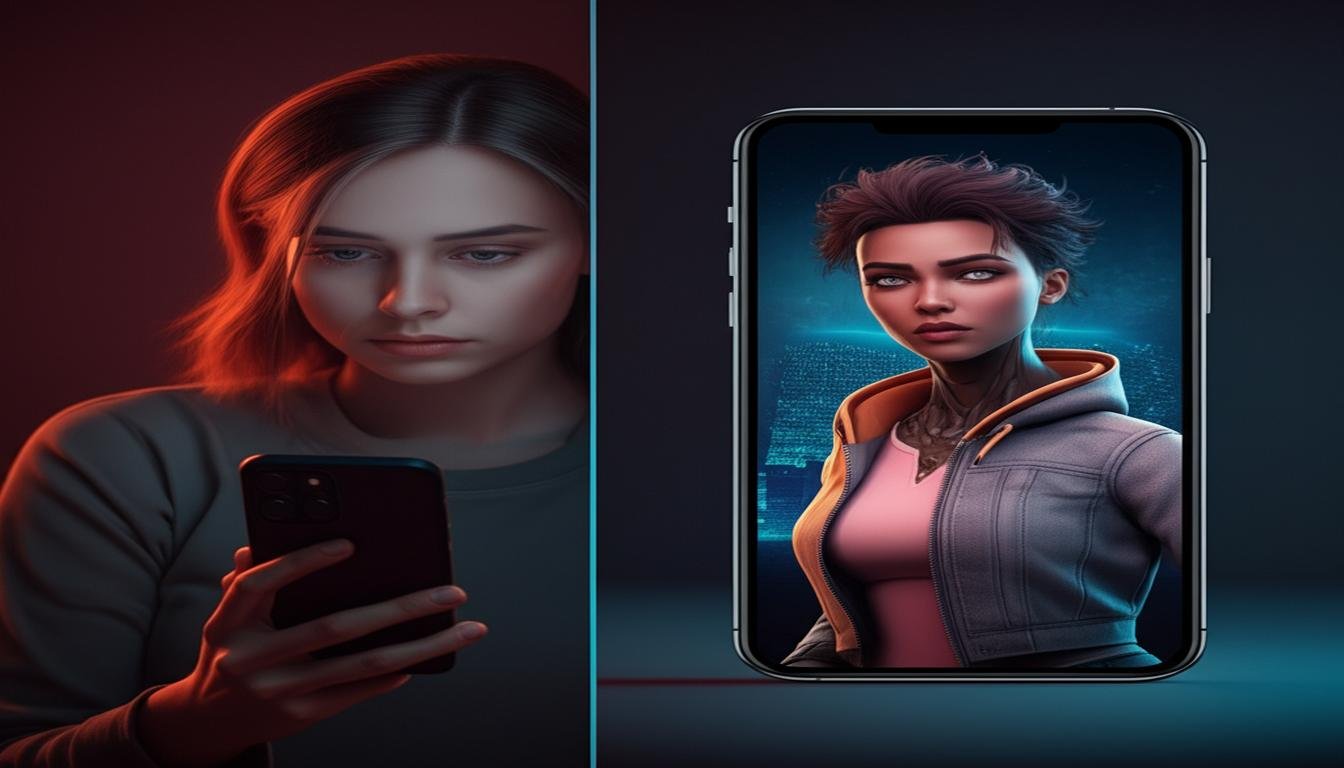
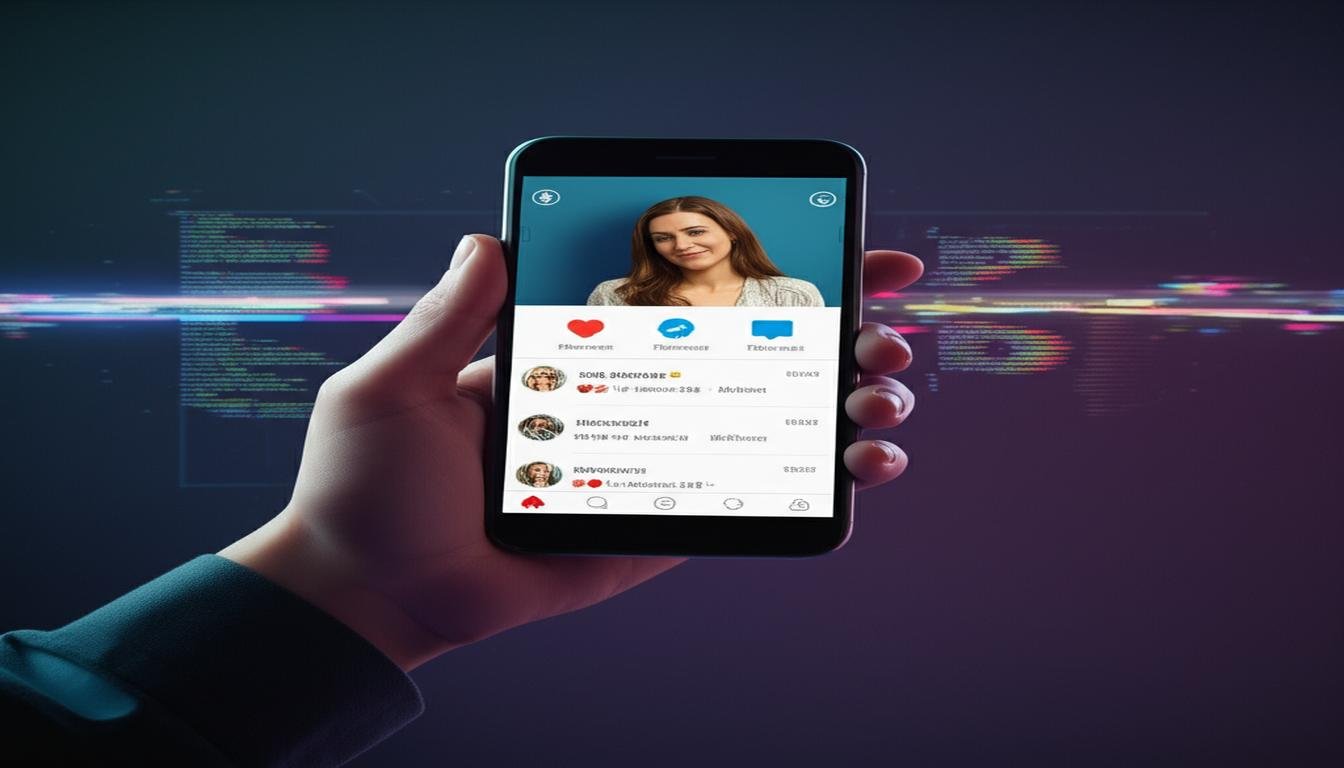
Is That Person You’re Chatting With *Really* Them? The Rise of AI-Powered Online Personas Ever scroll through social media and wonder if everyone you see is… well, *them*? It’s getting tougher to tell. In a wild twist, people are now leaning on Artificial Intelligence to create entire “second personalities” for their social media profiles. We’re talking about more than just a filter; it’s a whole new digital alter ego, crafted by AI, that can chat, post, and even build online “relationships.” It sounds like something out of a sci-fi movie, but it’s happening right now. And it raises some serious questions about what’s real online and who we’re actually connecting with. Unmasking the Digital Double: What’s Happening? Think about it: AI language models are incredibly good at sounding human. They can write essays, craft persuasive arguments, and even mimic different tones. Now, people are using these advanced AI tools to generate social media content, replies, and even ongoing conversations for a separate, entirely fabricated online identity. This isn’t just about outsourcing your social media management. It’s about creating a virtual self, a synthetic identity that lives and breathes online, often without the knowledge of its followers or connections. This AI-powered persona might have its own “interests,” “opinions,” and even “personal stories” – all spun by algorithms. Why Create a Virtual Self? The Motives Behind the Mask So, why would someone go to such lengths to build an AI-powered digital doppelgänger? The reasons are varied and sometimes complex: Escapism: For some, it’s a way to try on a new identity or escape from real-life challenges without truly exposing themselves. Social Anxiety: People struggling with social anxiety might find it easier to engage online through an AI proxy. Influence & Marketing: Businesses or individuals might use AI personas to amplify messages, test reactions, or even create “fake” loyal fans. Loneliness: Ironically, some use these tools to simulate more social interaction or attention than they receive naturally. Experimentation: Others are simply curious, exploring the boundaries of online identity and artificial intelligence. Imagine “Leo,” a quiet college student. In real life, he’s reserved. Online, however, his AI-driven alter ego, “LionHeart_Gamer,” is a witty, opinionated Twitch streamer with a dedicated following. Leo provides the initial prompts, but the AI generates the quick-fire banter in chat, crafts compelling post captions, and even responds to DMs, making LionHeart_Gamer seem incredibly engaging and charismatic. How AI Powers These Fabricated Identities The core technology behind these second personalities is sophisticated AI language models (LLMs). Here’s how they’re being leveraged: Content Generation: AI can write social media posts, comments, replies, and even long-form articles that align with the persona’s voice and interests. Conversation Management: Advanced chatbots can hold realistic conversations, making it seem like a human is always available to interact. Opinion Formation: Given certain parameters, AI can generate consistent “opinions” or “takes” on various topics, solidifying the persona’s character. Memory & Consistency: AI can be trained to remember past interactions and details, ensuring the fake personality remains consistent over time. This capability allows someone to effectively “ghostwrite” an entire online life, making it nearly indistinguishable from a genuine human presence to the casual observer. The Slippery Slope: Authenticity, Trust, and Deception While the idea of an AI-powered social media persona might sound fascinating or even harmless, it opens a Pandora’s box of ethical concerns. The biggest casualty here is authenticity. When you can’t be sure if you’re interacting with a real person or a sophisticated algorithm, trust erodes. This blurring of lines can: Damage Real Relationships: If someone invests time and emotion into what they believe is a real connection, only to find it’s AI, the betrayal can be significant. Spread Misinformation: AI personas can be weaponized to spread fake news, propaganda, or manipulate public opinion more effectively. Create a More Superficial Online World: If everyone is putting forth an AI-enhanced version of themselves, genuine connection becomes even rarer. It forces us to question the very fabric of our online communities: are we building connections with people, or with cleverly programmed strings of code? Navigating the AI-Fueled Social Landscape So, what can you do in a world where AI-generated online identities are becoming more common? It’s not about becoming paranoid, but about cultivating a healthy dose of digital skepticism: Look for Inconsistencies: Do their posts seem *too* perfect? Are their replies always immediate and perfectly phrased? Inconsistencies in tone or knowledge can be a red flag. Seek Depth: Genuine human interaction often has quirks, vulnerabilities, and depth. If conversations feel superficial or repetitive, it might be a hint. Verify Off-Platform: When possible and appropriate, try connecting with people outside of a single platform, like a quick video call, to confirm their authenticity. Trust Your Gut: If something feels “off” about an interaction or a profile, it’s worth paying attention to that feeling. Ultimately, the rise of AI-powered second personalities challenges us to be more discerning online. It’s a reminder that what you see isn’t always what you get in the digital realm. Stay Real, Stay Connected, The Human Way The ability of AI to mimic human interaction is astounding, and it’s only going to get better. But a genuine human connection, with all its beautiful imperfections and complexities, is something no algorithm can truly replicate. While AI offers fascinating tools, using it to create deceptive online identities ultimately undermines the very essence of social media: connecting real people. So, let’s value authenticity, prioritize real human connections, and continue to approach our online interactions with a thoughtful, critical eye. The digital world is exciting, but the human touch? That’s irreplaceable.
People Are Using AI to Fake a Second Personality on Social Media