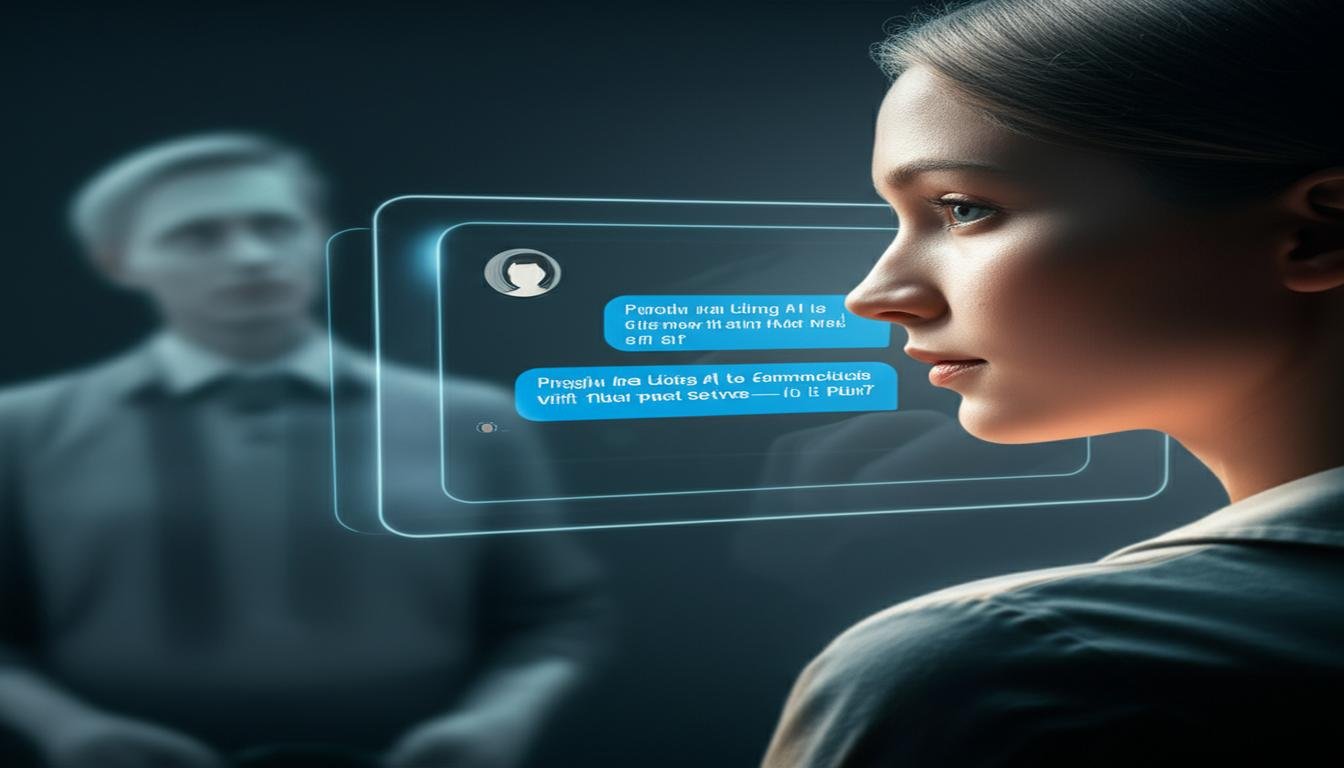
Ever Wished You Could Chat With Your Younger Self? AI Might Be Making It Possible. Imagine scrolling through old photos, not just seeing them, but actually having a conversation with the person you were back then. What were your dreams? What did you worry about? It sounds like something out of a science fiction movie, right? But the buzz is growing: people are exploring ways to use artificial intelligence to “communicate” with their past selves. The big question, though, isn’t just “how,” but “is it real?” Let’s dive into this intriguing concept, unpack the technology, and figure out if we’re on the cusp of an emotional journey back in time, or simply engaging with a clever digital echo. What’s This “Past Self” Communication All About? At its heart, the idea revolves around feeding an AI model massive amounts of your personal data from a specific period in your life. Think old journals, social media posts, emails, text messages, photos with detailed captions, even voice recordings. The AI then processes this information, learning your language patterns, your opinions, your emotional tone, and your memories from that era. The goal? To create a digital representation of your past self that you can interact with. It’s not a time machine, but more like a highly sophisticated, interactive digital time capsule. You might ask it, “Hey, AI me from 2010, what was I most excited about that year?” And it would respond based on the data it had about you then. How Does This Digital Echo Chamber Work? It’s all thanks to advanced machine learning and natural language processing (NLP). Here’s a simplified breakdown: Data Ingestion: You provide the AI with a digital archive of your life. The more data, the better. This could include: Old blog posts or diaries Social media history (Facebook, Twitter, Instagram) Emails and messages Photos and videos (with context) Recorded conversations or voice notes Pattern Recognition: The AI sifts through this ocean of data. It identifies your unique vocabulary, common phrases, recurring themes, emotional indicators, and even how your opinions might have evolved over time. It’s essentially building a detailed psychological profile of you at a specific point. Generative AI: When you “ask” your past self a question, the AI uses its learned model to generate a response that *mimics* how you would have likely answered back then, based on the information it has. It tries to capture your past voice and perspective. It’s like having a digital ghost of your past, constructed from your own digital footprint. Is It *Really* You? The Authenticity Question Here’s where things get interesting and a little philosophical. While the AI can meticulously replicate your past communication style and recall information you once knew, is it truly “you”? Most experts would say no, not in the way we understand consciousness or self. It’s a sophisticated simulation, a reflection, but not the actual, living consciousness of your past self. Consider it this way: It can’t feel emotions in the human sense. It doesn’t have new experiences beyond its programmed data. Its “memory” is a database, not a lived experience. However, for the user, the experience can feel incredibly real and deeply personal. It can trigger genuine nostalgia, offer new perspectives on old decisions, and even help you understand how much you’ve grown. The emotional impact, regardless of the AI’s “consciousness,” is undeniable. The Upsides: Why Engage With Your Digital Past? Beyond the novelty, there are some compelling reasons why people are drawn to this concept: Self-Reflection: It offers a unique mirror to look back and understand your journey, motivations, and changes over the years. Memory Preservation: For those who have lost loved ones, or simply want to solidify their own memories, it can serve as an incredibly vivid digital archive. Reliving Experiences: Reconnecting with past thoughts and feelings can be a powerful way to relive important life moments or remember forgotten details. Creative Inspiration: Artists, writers, and thinkers might find new ideas by conversing with their younger, perhaps more idealistic or naive, selves. The Downsides and Ethical Ponderings Of course, with powerful technology come important considerations: Privacy Concerns: Handing over your entire digital life to an AI raises huge questions about data security and who owns this digital “you.” Emotional Impact: While fascinating, constantly engaging with a past self could lead to dwelling on regrets, idealizing the past, or even hindering present-day personal growth. Accuracy vs. Interpretation: The AI’s responses are based on data, but they are also interpretations. Could it misrepresent your past feelings or intentions? What About Bias? If your past data contains biases, the AI might reflect those, creating an echo chamber rather than an objective reflection. Projects like “digital immortality” (where people train AI on their life data to leave behind a talking avatar after they pass) are already sparking these conversations. The “past self” AI is a similar branch of this fascinating, yet complex, tree. So, Is It Real? The Verdict. Yes, the *technology* to create a highly convincing digital representation of your past self is real and evolving rapidly. We’re seeing more and more tools that allow us to synthesize voices, mimic writing styles, and parse vast amounts of personal data. However, the idea of truly “communicating” with the conscious entity that was your past self? That remains firmly in the realm of science fiction. What’s real is the powerful, often emotional, experience of interacting with a meticulously crafted AI that *feels* like your past self. It’s less about a true psychic connection and more about an advanced form of personalized digital storytelling and self-reflection. It’s a mirror reflecting your own history, amplified by cutting-edge AI. Looking Ahead: A New Way to Understand Ourselves? As AI continues to advance, the line between simulation and “real” experience will undoubtedly blur further. Tools for communicating with your past self, or even a future imagined self, offer incredible opportunities for personal insight, memory preservation, and perhaps even psychological therapy. But like any powerful technology, it demands careful consideration of ethics, privacy, and its long-term impact on how we perceive ourselves and our personal histories. Perhaps the real magic isn’t in literally talking to your past self, but in using AI as a new lens to better understand the amazing journey that made you who you are today.
People Are Using AI to Communicate With Their Past Selves-Is It Real?