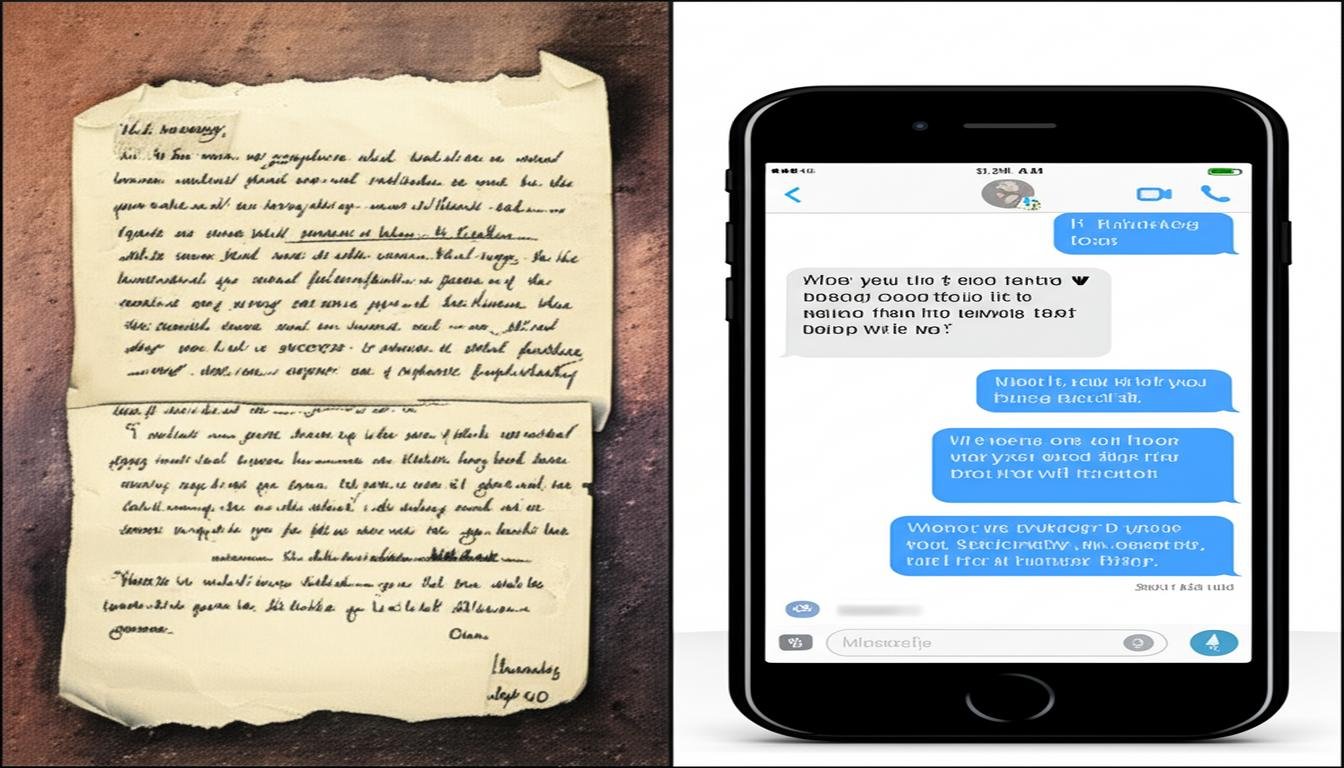
Breaking Up Just Got a Digital Rewrite: How AI Is Changing Goodbye Texts The end of a relationship is never easy. The words often get stuck, emotions run high, and finding the “right” way to say goodbye feels impossible. For generations, we’ve stumbled through awkward conversations, tearful phone calls, or carefully crafted, heartfelt letters. But what if there was an easier way? What if an artificial intelligence could help you draft that difficult breakup message? It sounds like science fiction, but it’s quickly becoming a reality. In an age where digital communication dominates, AI tools are quietly stepping into our most vulnerable moments, including the messy world of breakups. These aren’t just rumors; the texts people are sending prove it. The Rise of the AI Breakup Assistant You might think it’s cold or impersonal, but a growing number of people are turning to AI platforms, like ChatGPT, to help them navigate the painful process of ending a relationship. Why? To avoid drama, to ensure clarity, or simply to escape the agonizing discomfort of finding the perfect words when your emotions are running wild. Why Turn to AI for a Breakup Message? Emotional Buffering: AI provides a neutral third party, helping to strip away excessive emotion that might lead to an angry or regretful message. Clarity and Conciseness: It can distill complex feelings into clear, direct language, reducing ambiguity that often plagues breakup conversations. Avoiding Blame: AI often defaults to more “I” statements or focuses on compatibility issues rather than placing blame, which can soften the blow. Confidence Boost: For those who struggle with confrontation, a well-worded, AI-generated message can provide the courage to initiate the tough talk. Real-World Scenarios: Texts That Prove It So, what do these AI-assisted breakup texts actually look like? They often share a similar tone: polite, structured, slightly detached, and remarkably articulate. Here are a couple of examples that show the tell-tale signs of an AI at work: Example 1: The “It’s Not You, It’s Us” Approach Imagine receiving a text like this: “Hey [Partner’s Name], I’m writing this because I’ve been doing a lot of deep reflection about our relationship and my personal path forward. While I truly value the time we’ve spent together and cherish the memories we’ve made, I’ve come to the difficult realization that our long-term goals and individual growth trajectories are diverging. This isn’t a reflection of your worth or who you are, but rather an acknowledgment that we need different things at this point in our lives. I believe it’s best for both of us if we part ways. I wish you all the happiness in the future.” Notice the carefully chosen words: “deep reflection,” “individual growth trajectories,” “diverging,” “acknowledgment.” It’s incredibly polite and avoids direct emotional language, opting instead for a logical, almost business-like rationale. This kind of nuanced, guilt-free language is a hallmark of AI’s drafting capabilities. Example 2: The Direct, Yet Respectful Exit Or perhaps a more straightforward, yet still AI-polished, version: “Hi [Partner’s Name]. This is incredibly difficult for me to say, but I’ve reached the decision that I need to end our relationship. This choice has been made after much thought and is based on my personal needs and feelings, not any fault of yours. I hope you can understand, and I wish you well moving forward.” Again, the phrasing is precise. “Reached the decision,” “based on my personal needs and feelings,” “not any fault of yours.” It’s designed to minimize conflict and clearly state the intention without leaving room for extensive debate or blame. A human writing this in the heat of the moment might struggle to maintain such perfect composure. The Double-Edged Sword of AI in Breakups While AI can certainly offer a sanitized, less dramatic way to end things, it also raises important questions. Are we sacrificing genuine emotional expression for convenience? Is there a risk of becoming too reliant on technology to handle our most vulnerable human interactions? On one hand, AI can prevent hurtful outbursts and ensure a message is delivered respectfully. On the other, it strips away the raw, authentic emotion that, for better or worse, is part of being human. A breakup, no matter how painful, is often a moment of significant personal growth, requiring courage and direct communication skills. What This Means for Human Connection The trend of AI-assisted breakups signals a fascinating shift in how we approach difficult conversations. It highlights our universal desire to avoid pain and awkwardness, but it also prompts us to consider the value of truly personal interaction. Learning to navigate emotional complexities, even when uncomfortable, builds resilience and deepens our understanding of ourselves and others. AI isn’t going anywhere. It will continue to integrate into more aspects of our lives, including our relationships. While it can offer a helpful starting point or a polite template, perhaps the most important part of any goodbye still needs to come from the heart, even if it’s a little messy.
AI Is Changing the Way We Break Up-These Texts Prove It