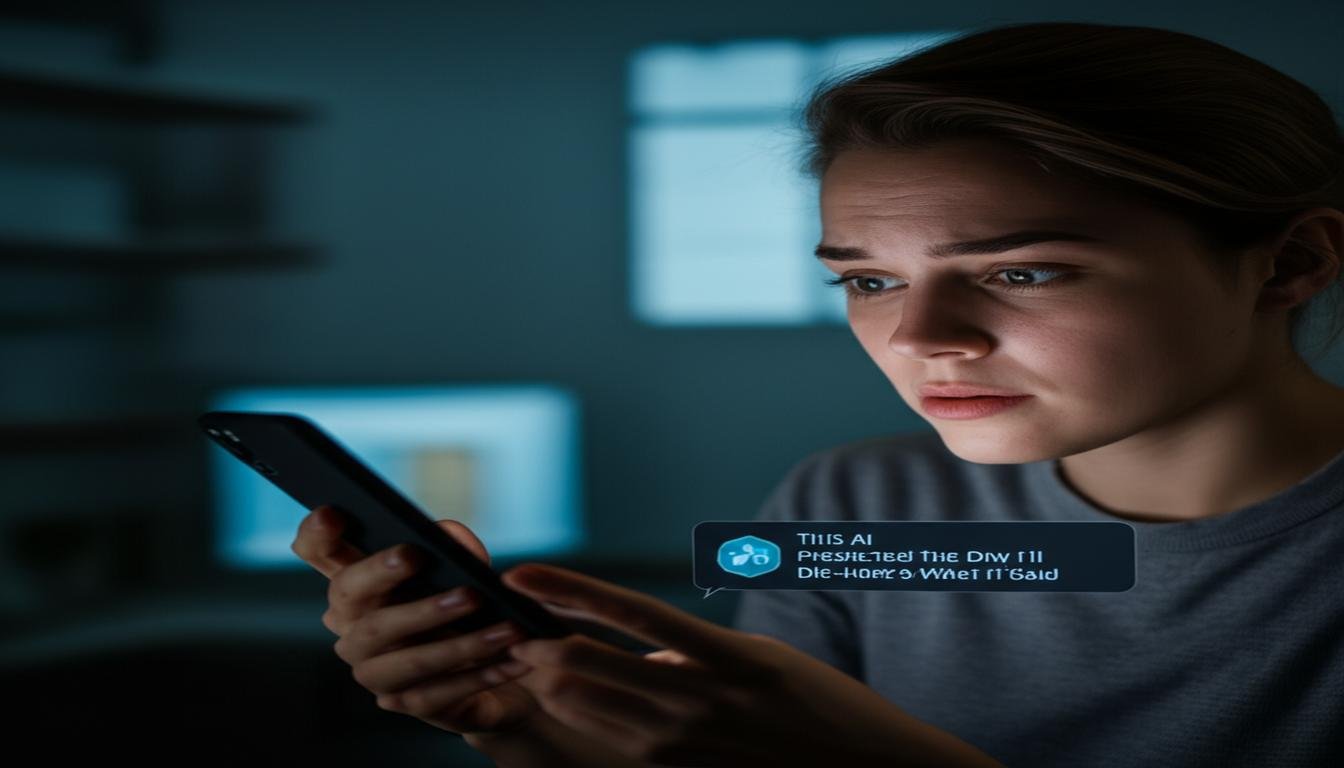
Okay, deep breath. I need to tell you something pretty wild that happened to me recently. I stumbled upon this obscure, experimental AI tool online – the kind that claims to predict your future based on an insane amount of data. Curiosity, or perhaps a strange form of morbid fascination, got the better of me. I fed it my details, watched the progress bar inch along, and then… it gave me a date. The day it predicted I’d die. My heart definitely skipped a beat. Actually, it probably did a triple somersault. For a moment, my world tilted on its axis. An AI, a bunch of algorithms and data points, just put a timestamp on my existence. Here’s what it said, and more importantly, how it completely changed my perspective. The AI That Sees Your Future (Or Tries To) Let’s be clear: this wasn’t some mainstream app you download from an app store. It was buried deep in a forum, a project by a group of researchers exploring predictive analytics for longevity. They claimed it analyzed everything from your submitted health history and family genetics to lifestyle choices, geographical data, and even current global health trends. It was a lot to input, from old medical records to my daily coffee habit. I figured, what’s the harm? It’s just code. A fancy calculator, really. But as I typed in details about my diet, exercise routine, stress levels, and even my parents’ health histories, a strange sense of vulnerability crept in. I was laying bare my entire life for a machine. The Unsettling Prediction After what felt like an eternity (probably only a minute or two), the screen refreshed. There it was. Not an exact calendar date, thankfully, but a projected age range, complete with a probability score. It cited a window between my late 70s and early 80s, but highlighted a specific age within that range, attributing it to a confluence of “moderate genetic predispositions and current lifestyle stressors.” A chill ran down my spine. Seventy-something. It felt… real. Far enough away to be theoretical, but close enough to be jarring. My mind immediately raced. Was it accurate? Could an algorithm really tap into such a fundamental human unknown? The AI even offered some “insights” – essentially, a breakdown of factors contributing to its prediction. Things like: Slightly elevated cholesterol (thanks, late-night pizza). Family history of heart issues (genetic lottery, right?). Below-average daily step count (my desk job isn’t helping). Moderate stress levels (who doesn’t have those?). It wasn’t a death sentence; it was more like a highly detailed, extremely personal risk assessment wrapped in a terrifying package. Beyond the Number: What This Really Means Once the initial shock wore off, a different feeling settled in: reflection. This wasn’t about the specific age; it was about the why. The AI didn’t just pluck a number out of thin air. It analyzed my data and pointed to areas where I could, theoretically, make a difference. It forced me to confront my own mortality in a way I hadn’t before. Here’s what really hit me: It’s a Probability, Not a Promise No machine can truly predict the future. Life is too unpredictable, too full of random events and personal choices. The AI offered a statistical likelihood, a snapshot based on current information, not a sealed fate. It’s a powerful reminder that our actions today can influence tomorrow. A Mirror to My Habits The “insights” were surprisingly accurate. My diet isn’t always great, I could definitely move more, and yes, work-related stress is a constant. The AI, in its cold, logical way, held up a mirror to my daily choices, highlighting areas I’d often conveniently ignored. The Value of Now Knowing (or thinking you know) a potential endpoint can be incredibly clarifying. It made me question what I truly value. Am I spending my time on things that matter? Am I connecting enough with loved ones? Am I pursuing my passions? Living Today, Not Just Counting Days So, did I dramatically change my life overnight? Not quite. But I definitely made some adjustments. I started small: Swapping a daily soda for water. Taking more walks during lunch breaks. Making a conscious effort to call family more often. Picking up that hobby I’ve been putting off. The AI prediction wasn’t a curse; it was a nudge. A very, very firm nudge. It reminded me that while we can’t control everything, we can take ownership of our present. It’s about building a better quality of life, not just extending its quantity. Ultimately, the day I die remains a mystery, as it should. No artificial intelligence, no matter how advanced, can truly hold that secret. But this bizarre encounter with a death-predicting AI offered something invaluable: a fresh perspective on how I live. It’s not about fearing the end, but about making the most of every single day we’re given. And that, I realized, is a prediction I can live with.
This AI Predicted the Day I’ll Die-Here’s What It Said