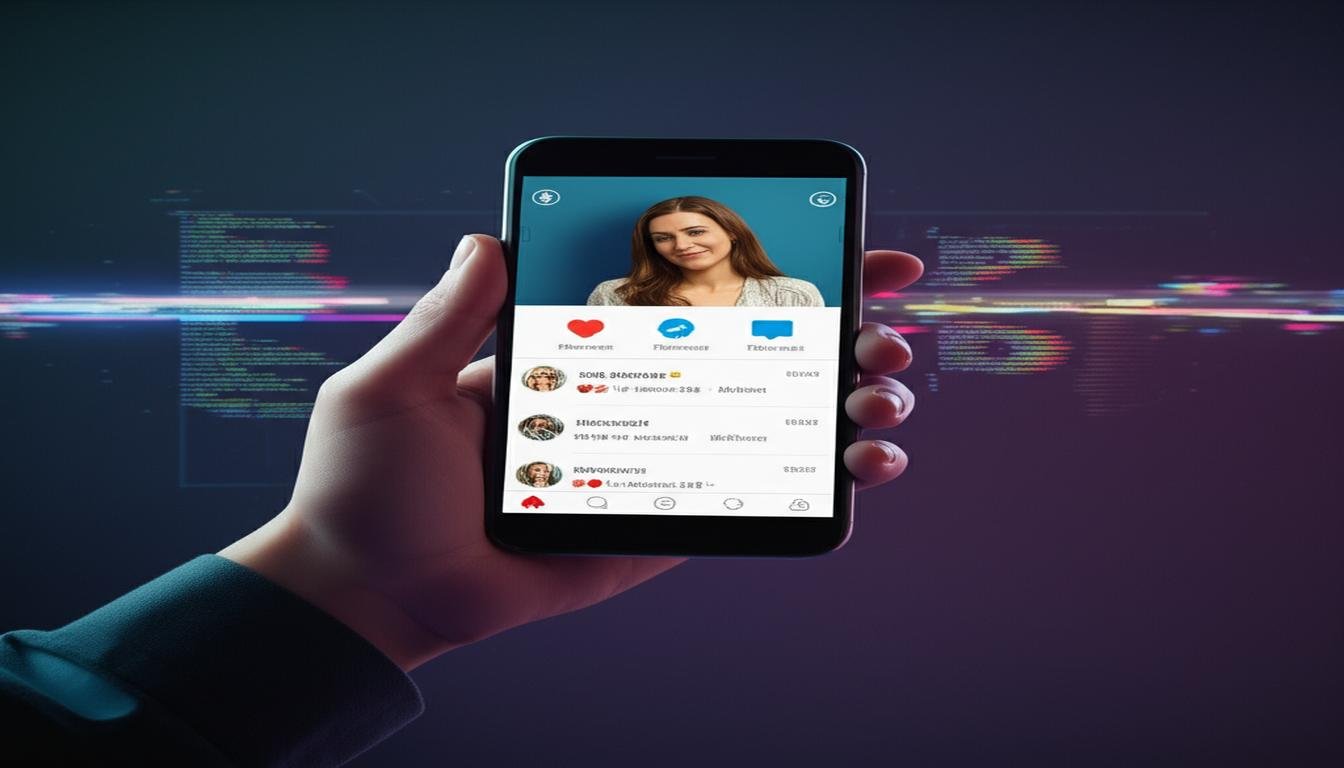
Ever tried to kick a bad habit? You know, the one you *really* want to stop but keep falling back into? Maybe it’s endless scrolling, that extra cookie, or hitting snooze one too many times. We’ve all been there. We tell ourselves we’ll do better tomorrow, but tomorrow often looks a lot like today. What if you had a brutally honest, non-judgmental coach available 24/7, ready to call you out (gently, but firmly) the moment you slip? Welcome to the world where AI is becoming our most direct, data-driven partner in overcoming those stubborn bad habits. It’s not about being mean; it’s about being incredibly effective. Why Our Old Ways of Quitting Often Miss the Mark Let’s be real. Quitting habits is hard because we’re often our own worst critics – and our own best enablers. We make excuses, rationalize slip-ups, and sometimes, deep down, we don’t truly face the uncomfortable truth of our actions. Traditional methods like willpower alone or relying solely on a human support system can fall short: Self-Deception: It’s easy to convince ourselves “just this once” won’t hurt. Lack of Consistent Accountability: Human coaches aren’t always available, and friends might be too polite. Vague Goals: “Eat healthier” is nice, but what does that *really* mean for your specific triggers? This is where AI steps in, offering a fresh, unfiltered perspective on breaking bad habits. Enter the AI Habit Coach: Your Unfiltered Truth-Teller Imagine an AI that learns your patterns, understands your triggers, and isn’t afraid to give you the exact feedback you need, precisely when you need it. This isn’t about being bossed around; it’s about receiving objective, data-backed insights that cut through the noise of self-justification. Unlike a human coach who might soften the blow to protect your feelings, an AI coach focuses purely on your behavioral data. It sees your choices, tracks your progress (or lack thereof), and delivers information in a way that’s designed for one purpose: helping you change. How AI Delivers the “Brutal Honesty” You Need The beauty of AI for habit change lies in its ability to be truly objective. Here’s how it works: Personalized Insights: AI analyzes your daily routines, tracking apps, and even your mood entries. It spots patterns you might never notice, like “you tend to crave sugar most on Tuesday afternoons after that stressful meeting.” Objective Feedback: When you report a slip-up, AI doesn’t judge. It simply presents the facts. “Your goal was to limit screen time to 2 hours today. You spent 4 hours and 15 minutes. How do you feel about this discrepancy?” Real-time Nudges: Based on your typical triggers, AI can send a timely prompt. “Hey, it’s 3 PM – remember your goal to take a quick walk instead of reaching for a snack.” Pattern Recognition for Triggers: AI is brilliant at connecting dots. It might tell you, “We’ve noticed a correlation between staying up late on Sunday nights and a higher coffee intake the following Monday. Let’s explore how to adjust your Sunday routine.” A Day in the Life with an AI Habit Breaker Let’s consider Sarah, who wants to cut down on her impulse online shopping. She’s tried before, but sales emails always seem to pull her back in. She decides to use an AI habit-breaking app. On Tuesday morning, after receiving a tempting “20% off!” email, Sarah finds herself browsing. The AI app, which monitors her activity (with her permission, of course), sends a gentle ping: “Looks like you’re on your favorite shopping site. Your goal for today was zero impulse buys. What are your feelings right now, and what’s your plan to stick to your commitment?” Sarah, slightly annoyed but also appreciative of the directness, logs her feelings. The AI then suggests, “Remember your long-term financial goal. Perhaps a quick meditation or a walk outside could redirect this urge?” The honesty stings a little, but it also snaps her back to reality. She closes the tab and heads out for a walk. Beyond Just Nudges: The Science Behind AI Habit Change This isn’t just clever tech; it’s rooted in proven behavioral science. AI leverages principles like continuous feedback loops, goal setting, and positive reinforcement (even when the feedback feels ‘brutal’). By consistently presenting objective data and highlighting discrepancies between intent and action, AI helps users build self-awareness—a crucial step in sustainable habit change. It’s like having a hyper-efficient data analyst for your personal behavior, always showing you the numbers without emotional bias, helping you spot areas for improvement that you might otherwise overlook. Is AI Really Better Than a Human Coach? It’s not necessarily about being “better,” but different and complementary. Human coaches offer empathy, nuanced understanding, and the unique connection only another person can provide. However, AI brings unparalleled objectivity, endless availability, and the capacity to process vast amounts of personal data to identify precise patterns. For some, the unfiltered, data-driven honesty of AI is exactly what’s needed to cut through their own mental roadblocks. It’s less about judgment and more about clear, undeniable facts presented in a way that empowers self-correction. Taking the First Step: Embracing Your AI Accountability Partner If you’ve struggled to break free from old patterns, perhaps it’s time to try a different approach. AI offers a powerful, no-nonsense tool for self-improvement, ready to give you the honest feedback you might be avoiding elsewhere. It’s not here to coddle you; it’s here to help you achieve your goals by holding up a mirror to your habits, unflinchingly. Ready to finally tackle that habit with a truly objective partner? Explore the growing number of AI-powered habit coaching apps and tools. The future of personalized habit change is here, and it’s refreshingly, brutally honest.
AI Is Helping People Quit Bad Habits-With Brutal Honesty