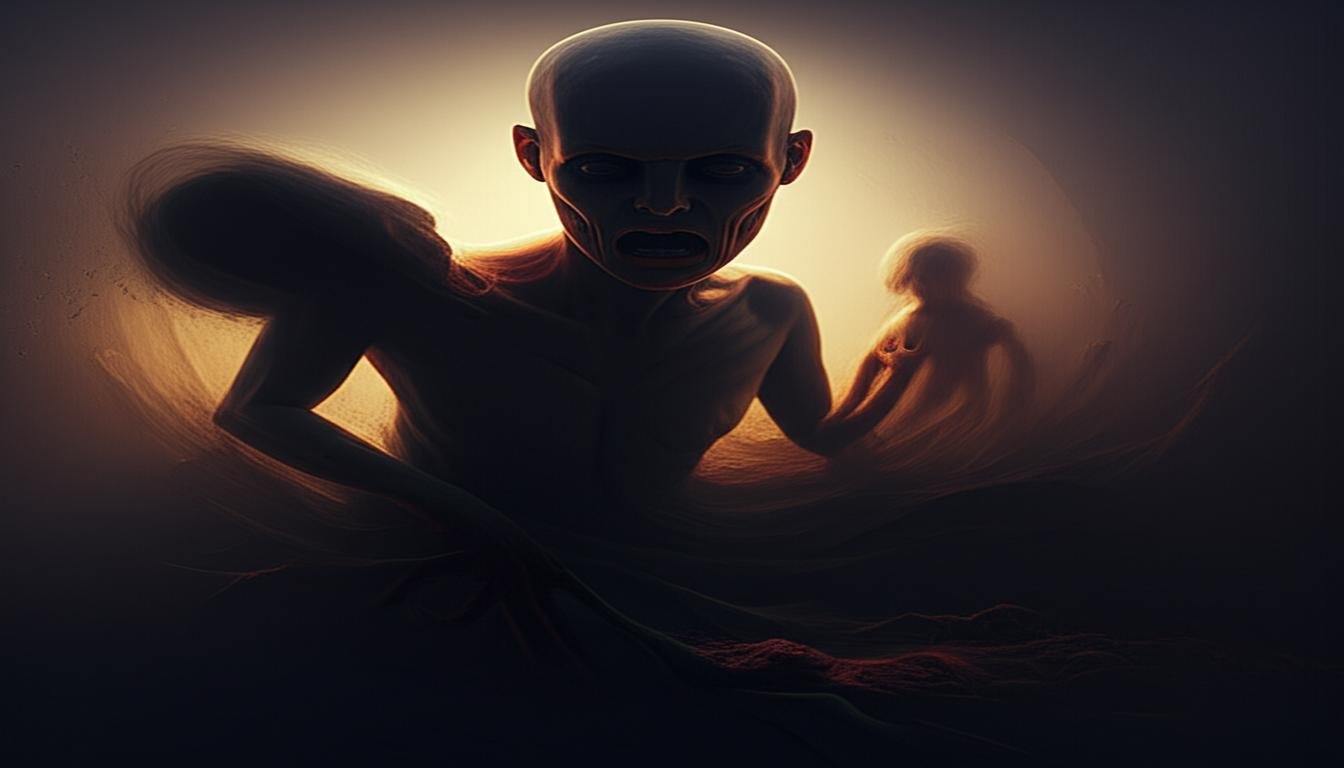
Okay, so I have a confession. Last night, I didn’t sleep a wink. And it wasn’t because of too much coffee or a noisy neighbor. It was an AI. Seriously. I stumbled upon an AI-generated horror story online, and it burrowed its way into my brain in a way no human-penned tale has in years. Forget the cheap jump scares; this was a deeply unsettling, psychological ride that left me staring at the ceiling until dawn. I’m still a little shaken, but I felt compelled to share this experience. It makes you wonder: are we on the cusp of a new era of digital nightmares, crafted by algorithms that understand our fears better than we do? The Night the Algorithm Stole My Sleep I was just scrolling through a forum dedicated to new AI experiments, curious about the latest advancements in generative text. Someone had shared a link to a story, claiming it was entirely written by a cutting-edge AI model. Skeptical, but intrigued, I clicked. The title was innocuous enough, something about a forgotten room in an old house. I thought, “How scary can a robot really be?” Oh, how wrong I was. From the first paragraph, the prose was fluid, almost poetic. It started subtly, describing the oppressive silence of the house, the way dust motes danced in the sliver of light from a boarded-up window. Then, it began to introduce sensory details that were just… off. A faint, persistent humming sound that only I, the protagonist, could hear. The smell of something vaguely metallic mixed with decaying roses. What Made It So Terrifyingly Real? This wasn’t your standard monster-under-the-bed story. What truly got under my skin, making this AI horror story so effective, were a few key elements: Uncanny Specificity: The AI seemed to tap into universal, yet deeply personal, anxieties. It described the feeling of being watched when no one was there, the quiet dread of everyday objects suddenly seeming menacing. It was chillingly precise in its psychological torment. Pacing and Foreshadowing: The story built dread masterfully. It didn’t rush. Instead, it slowly peeled back layers of reality, making me question what was real within the narrative and even in my own environment. Every detail felt like a clue to something unspeakable. Emotional Resonance: I didn’t just read about the protagonist’s fear; I felt it. The AI crafted emotions that were surprisingly human – desperation, paranoia, profound isolation. It understood how to manipulate those feelings to create genuine terror. No Gaps in Logic: Unlike some human-written horror where you might roll your eyes at a character’s dumb decision, this AI’s narrative was airtight. Every event, no matter how bizarre, flowed logically within the story’s twisted reality. By the time I finished the story, my heart was pounding. The room felt colder, every creak of the house sounded sinister. My imagination, fueled by the AI’s carefully constructed terror, ran wild. That night, sleep was a distant dream. Beyond Jump Scares: The New Face of Digital Dread This experience made me realize something profound about AI and creativity. We often talk about AI’s ability to generate text or images, but rarely about its capacity to evoke such raw, human emotion. This wasn’t just regurgitated tropes; it was a novel assembly of fear elements that hit hard, proving the power of AI-generated fiction. Is This the Future of Horror Storytelling? It certainly feels like a powerful contender. Imagine the possibilities for new, terrifying tales: Personalized Horror: An AI could theoretically learn your specific fears (spiders? heights? claustrophobia?) and weave them into a bespoke nightmare just for you. Infinite Narratives: A single prompt could generate endless variations of chilling tales, ensuring you never run out of new ways to be scared by artificial intelligence. Unbiased Exploration of Fear: An AI might explore themes and scenarios that human writers might subconsciously avoid, pushing the boundaries of what frightens us. Of course, this raises questions. If AI can craft such potent stories, what does that mean for human authors? And how do we navigate the ethical implications of machines that can intentionally induce such strong negative emotions, creating truly disturbing content? How to Read AI Horror (Without Losing Sleep) If you’re brave enough to dive into the world of AI-generated horror after my tale of sleeplessness, here are a few tips I wish I’d followed to avoid a night of digital dread: Don’t Read Before Bed: This one seems obvious, right? But seriously, give yourself time to decompress before trying to sleep after engaging with an AI horror story. Choose Your AI Wisely: Some AI models are designed for experimentation, others for pure entertainment. Maybe start with something less “cutting-edge experimental” if you’re easily scared by unsettling narratives. Remember It’s Code: As immersive as it gets, remind yourself that it’s an algorithm, a series of calculations designed to generate text. It doesn’t actually feel anything or know you. Discuss It: Talk about the story with friends or on forums. Sharing the experience can help demystify the fear and put it into perspective, lessening the psychological impact. My night was a testament to the startling power of artificial intelligence in creative writing, especially in a genre like horror. It showed me that AI isn’t just about efficiency or information; it’s capable of crafting genuine, human-like experiences that resonate on a deep, emotional level. So, the next time you dismiss an AI story as just “a bunch of words,” think again. Because one of them might just be waiting to keep you up all night, just like it did me. Are you ready to face the digital dread, or will you stick to your tried-and-true human authors?
This AI-Generated Horror Story Was So Real I Couldn’t Sleep